

HomeInspiration
Inspiration
MOTO games: overview and recommendations
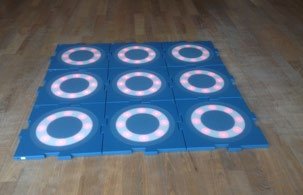
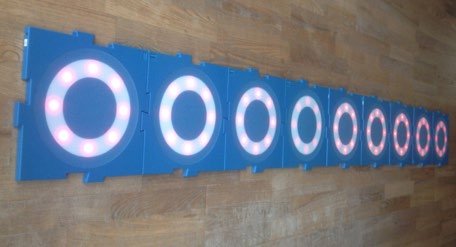
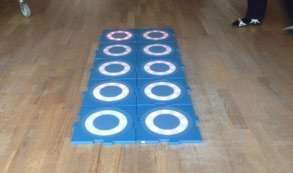
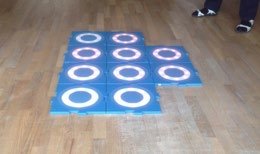
By physiotherapists Maria Søndergaard and Tanja Højris Bendtsen, Faxe Municipality, Denmark: their experience with each game, and tile set-ups from level 1 to 5.
Translated from Danish. The original guide is available as a PDF.
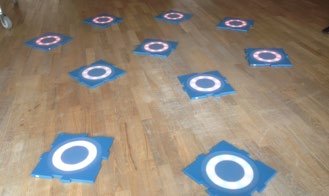
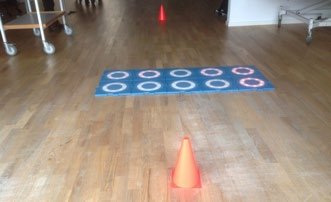
Colour Race
- Can be used with all participants, for individual training or in groups
- The easiest game to vary in set-up and difficulty
- Many different set-ups are used
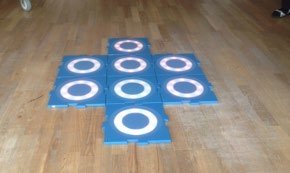
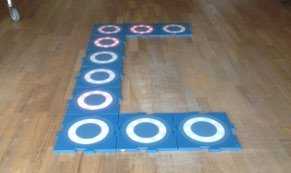
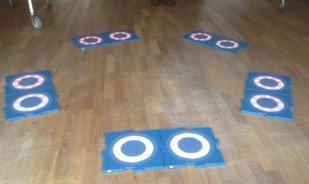
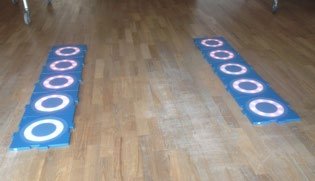
Final Countdown
- Only certain set-ups work
- Used with many participants
- A circle set-up can't be used for this game, as participants get dizzy
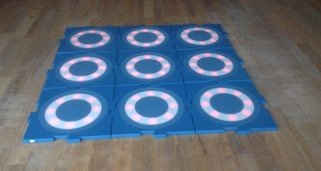
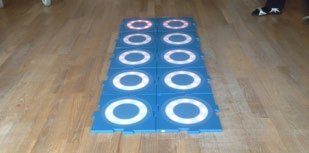
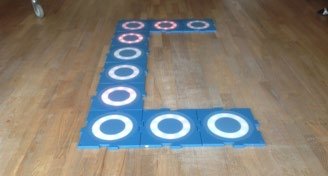
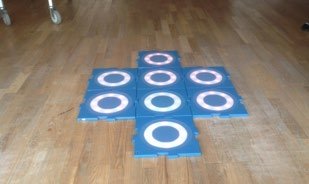
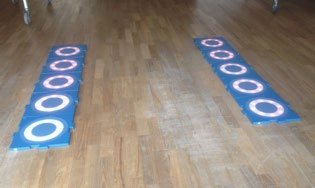
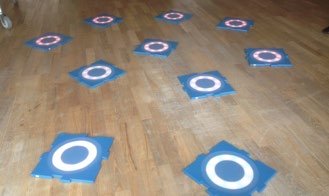
Concentration Color
- Often used as a break game
- Works in many different set-ups
- Good for participants with a low functional level
- Cognitively challenging
- Used with many participants
- Participants can find it hard to understand that tiles that have gone dark are ‘turned over’ and out of the game
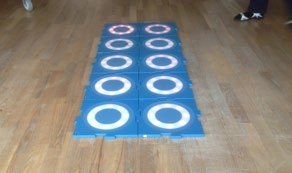
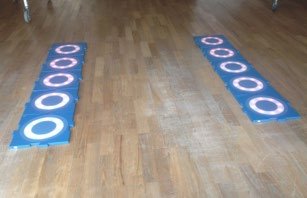
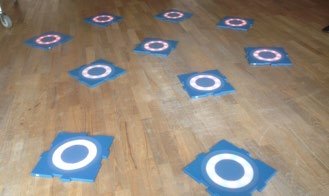
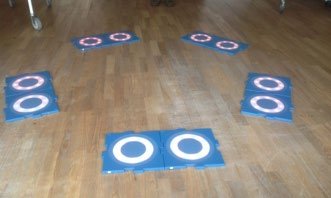
Concentration Sound (same set-up as above)
- As above
- Not used as much as the Color game
- Not suited to groups: participants need quiet around them to hear the sounds
Concentration Languages
- Not yet tried
Reach
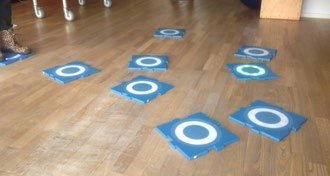
- Can be used in several different set-ups
- An easy game to use
- Trains stride length, weight bearing or fitness, depending on the set-up
Special One
- A good game
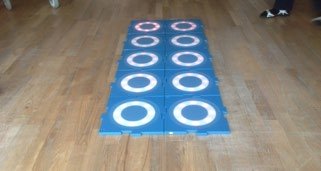
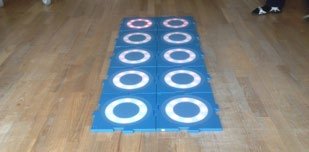
- Works with several different set-ups, often with the tiles in a large square
- The game makes good sense in a very controlled set-up
- Participants are challenged when the colour changes, and this works well
- It can be hard to keep track of the colours if the tiles are spread out
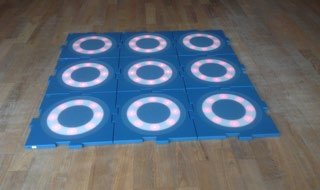
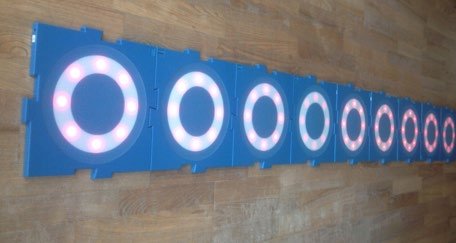
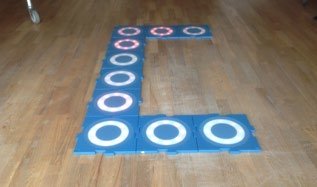
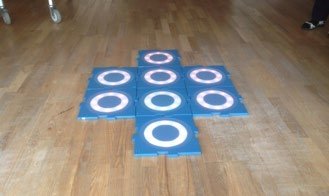
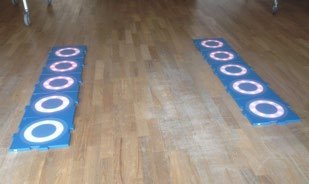
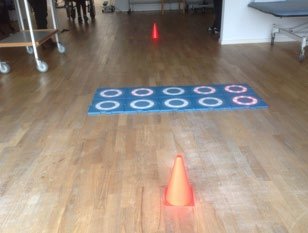
Show the Pattern
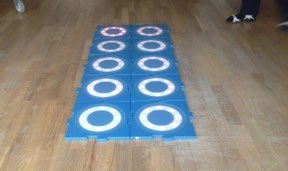
- Good for promoting weight bearing, for example after hip surgery
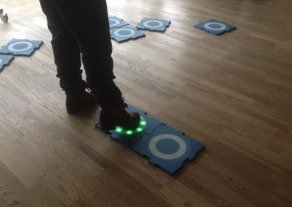
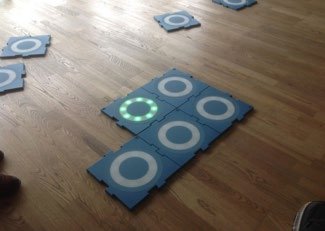
Rehabilitation for athletes
- This set-up suits participants who need to train quick changes of direction, for example to get back to handball, football or badminton
- More tiles make it harder
- The set-up works well for Color Race
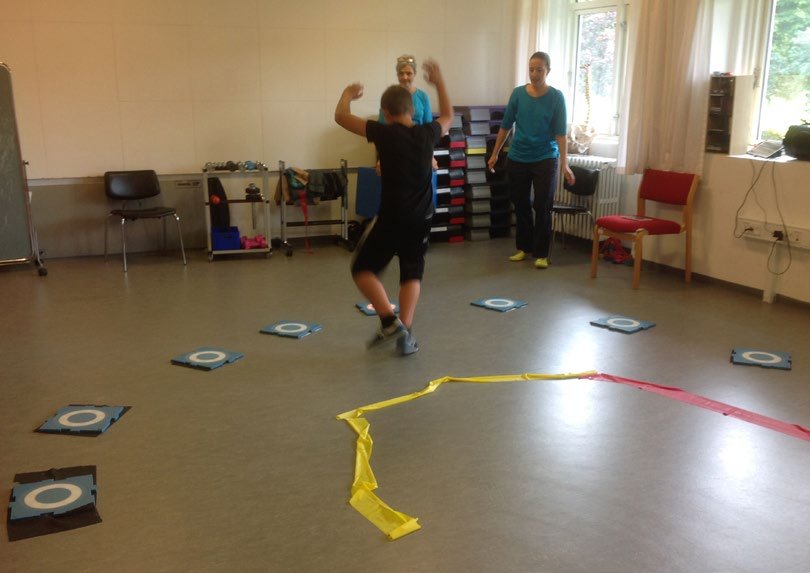
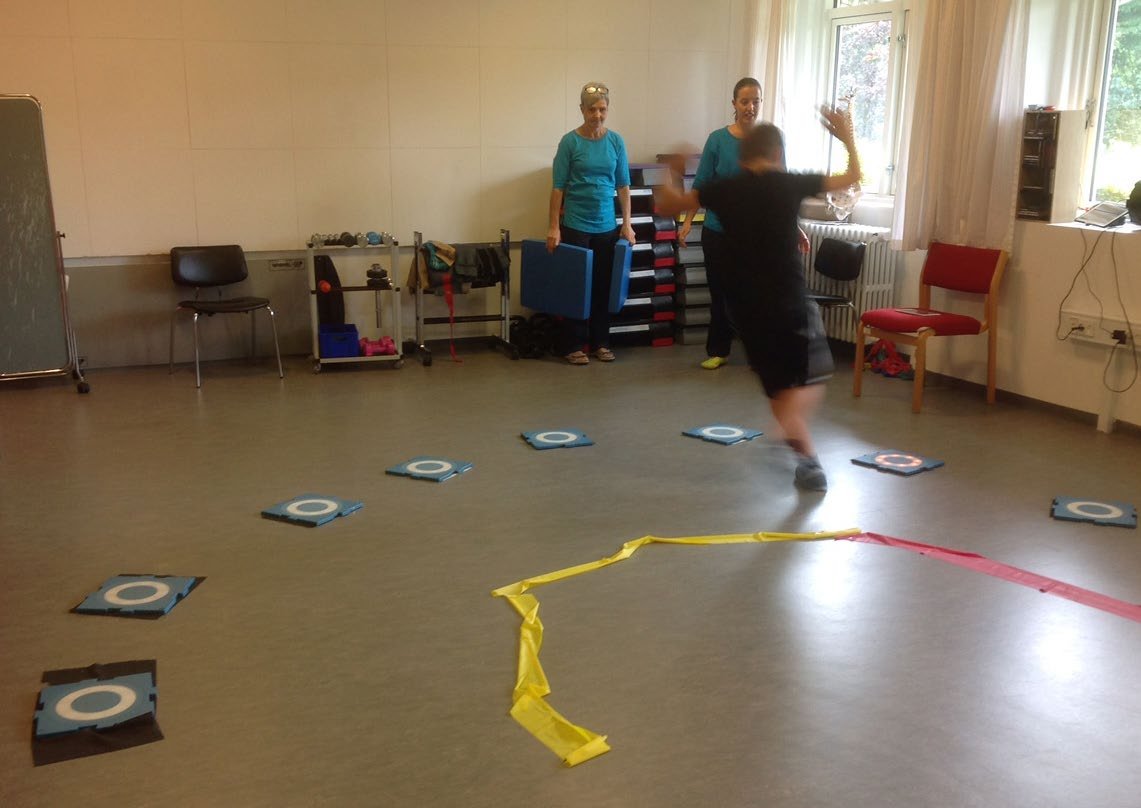
Hit the Target
Same set-up as for Color Race
- Good for training reaction
- The pace challenges the participant (unlike Color Race, where the participant sets the pace of the colour changes)
Simon Says
- Older participants don't understand the game
- May work well for younger participants
- If the game ends because of a mistake and is started again, it uses the same combination as before. That can be both good and bad for participants. You have to leave the game completely to change the combination.
Flash Paint
- A hard game for participants: getting all the tiles to the same colour, and understanding the principle, is difficult
- The colour changes too quickly when only a few tiles are connected
The challenges of group training
- Ongoing intake into groups, as participants are at different levels
- Different levels can make it hard to choose and set up games: participants often want to play the same games, and may find it hard to understand when the game and set-up change from person to person
- Some participants can be unsafe on the tiles because they lack insight into their own abilities